Two Sleepers, One Rating: What Mattress Weight Limits Actually Mean in 2026

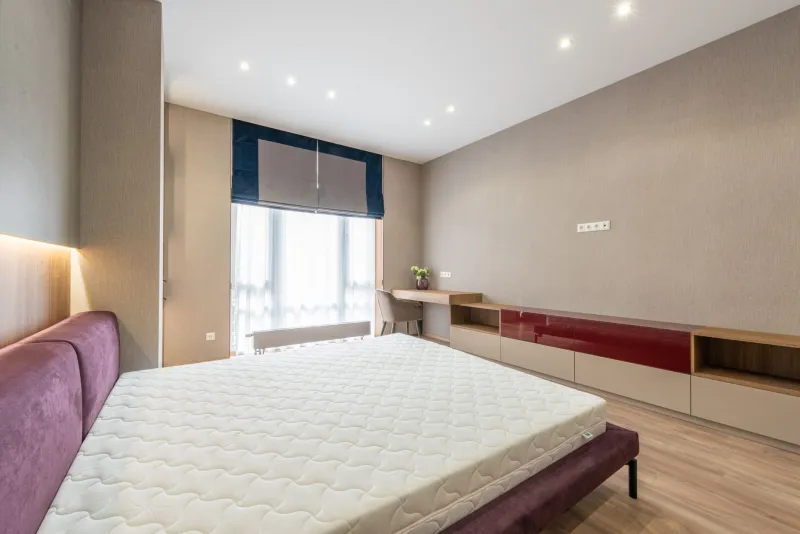
Photo: couple checking mattress on slatted bed base in UK bedroom, via adultvisor.com
A budget mattress listing says it is 'suitable for users up to 18 stone'. That sounds reassuringly precise. Then you read the same phrase on a different listing and realise it might mean 18 stone per person, 18 stone combined, or something the retailer has not quite thought through. In 2026, weight ratings on value mattresses are still one of the muddiest bits of the buying process, and the wording matters as much as the number.
At Discounted Beds UK, we see plenty of shoppers trying to do the right thing: checking the limit, comparing frames and trying not to wreck a warranty before the mattress has even settled. The good news is that you do not need a physics degree to decode most of it. You just need to read the limit in context, because the same sleeper can get very different results depending on the bed underneath them.
The rating is not always about one person
The first trap is assuming every weight limit is per sleeper. Some listings are clear: 'maximum user weight 120kg per person'. Others simply say 'max weight 120kg' and leave you guessing whether that is one body or the whole bed. If two adults share a mattress, this is not a small detail. A combined limit of 120kg is very different from 120kg each.
Check the listing for words like 'per person', 'per sleeper', 'combined' or 'total'. If none appear, ask the retailer in writing before you buy. A quick email or web chat reply is useful evidence if a warranty claim ever gets complicated. Also convert carefully: one stone is about 6.35kg, so 18 stone is roughly 114kg. If a listing mixes stones and kilograms, do the maths yourself rather than trusting a rounded summary.
Your base changes the answer
A mattress is not a magic slab that carries weight on its own. It needs a base that supports it evenly. That is why one shopper at 15 stone can be perfectly comfortable on a budget mattress while another shopper at the same weight finds sagging within months. The difference is often the frame, not the person.
Slatted bases are common in UK bedrooms, and they are fine when the slats are sound, closely spaced and not bowed. A cheap mattress on wide gaps or tired slats is being asked to bridge gaps it was never designed for. Divan bases and solid platform tops spread load differently. Adjustable beds and some ottoman frames have their own requirements. Before you blame the mattress, check what it is sitting on.
Many mattress warranties specify a 'suitable base' and may exclude damage caused by an unsuitable one. That phrase can be frustratingly vague, but it usually means a base that supports the mattress evenly and meets the retailer's stated slat spacing or platform requirements. If the warranty document gives a maximum slat gap, measure yours. Do not assume that because the bed was cheap, the base rules are optional.
Two shoppers, same scales, different outcomes
Weight is only one part of the load story. How that weight is distributed matters too. A side sleeper with broader shoulders and hips puts pressure in different places than a back sleeper. Someone who regularly sits on the edge of the bed while putting on shoes adds concentrated load. Couples who drift towards the middle, children who pile on for a Saturday morning, and cats that arrive like tiny furry bowling balls all change the picture.
Mattress size matters as well. A smaller mattress concentrates the same sleepers into less space, while a larger one spreads them out. Edge support on budget mattresses varies enormously, so if you use the edge as a seat every day, a mattress with a generous weight rating may still feel softer there than you expect.
This is why a 'heavy-duty' label is not automatically the answer. Sometimes the smarter fix is a better base, a larger mattress, or simply choosing a model whose construction suits how you actually use the bed.
Warranty wording worth reading before checkout
Budget mattress warranties often hinge on a few phrases: 'normal wear and tear', 'misuse', 'overloading', 'unsuitable base' and 'cover excludes'. A deep body impression may be covered; a stained cover may not be. A broken zip may be cosmetic; a collapsed border may be structural. The difference usually lives in the small print, not the headline guarantee.
Ask for the warranty document before you buy, not after. Keep the listing screenshot, your order confirmation and any written answer about weight limits. If you need to claim, photographs of the mattress on its base, plus measurements of any sag, will usually be requested. A protector and regular rotation can help you meet the care conditions many warranties expect.
A five-minute check before you click buy
First, find the weight rating and confirm whether it is per person or combined. Second, identify your base type and check its condition. Third, look for the warranty's base requirements and slat guidance. Fourth, think about edge sitting, partner weight and mattress size. Fifth, ask the retailer to confirm the ambiguous bits in writing. Finally, keep the paperwork together.
None of this means budget mattresses are a bad bet. It means the weight limit is a starting point, not a verdict. Read the wording, check the base and match the mattress to the way you sleep. That is usually cheaper than paying for a heavy-duty upgrade to solve a problem that was never really about your weight in the first place.