Screw-Free and Deposit-Safe: Renter-Friendly Bed Setups That Move With You
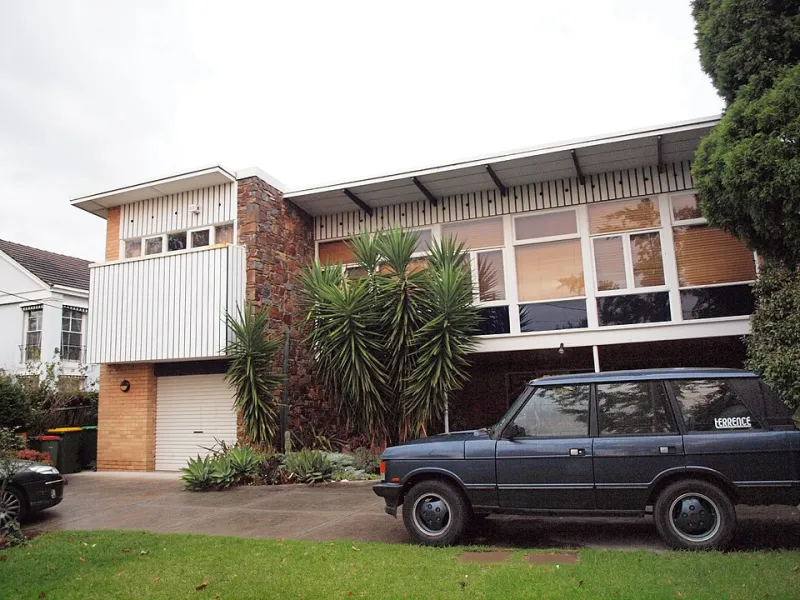
Photo: Rhys Mcfarlane, CC BY-SA 3.0, via Wikimedia Commons
Renting can feel like living in someone else's house with your own furniture. You want a proper bed, not a mattress on the floor, but you also don't want to hand back your deposit because you put four holes in a wall for a headboard. The good news is that 2026 has plenty of renter-friendly options that look decent, sleep well and come apart again when the moving van arrives. The trick is to plan around your tenancy agreement, not just the showroom.
Read the tenancy agreement before you read the reviews
Before you buy anything, check what your tenancy says about alterations. Most UK agreements allow fair wear and tear but not permanent changes without permission. A few small picture hooks may be fine; a wall-mounted headboard or a shelving unit bolted into plasterboard may not be. Look for wording around fixings, holes, redecorating and returning the property to its original condition. If it's vague, ask the letting agent in writing. A quick email now is cheaper than arguing over a deposit later.
Also check whether the property comes furnished or part-furnished. If a bed frame is already there, you may only need a mattress or a topper. If you're replacing it, ask where the old one should go. Some landlords will store it; others will expect you to keep it in the flat. That single question can change the size of bed you can realistically buy.
Freestanding headboards: the obvious win
A floor-standing headboard is the simplest answer for renters. It leans against the wall or attaches to the bed frame rather than the building. You get the finished look of a proper bed without a single rawl plug. Look for a headboard with a wide base or adjustable feet so it stays put on carpet and doesn't wobble when you sit up to read.
If floor space is tight, a headboard that fixes to the bed frame itself is even better. Many divan bases and bed frames now come with compatible headboards that bolt onto the frame, not the wall. That keeps everything in one footprint and means the whole thing moves as a single unit. Just check the fitting before you buy. A headboard that only works with a specific frame is no bargain if it doesn't match yours.
No-drill doesn't mean no-thought
Searching for no-drill beds can throw up some creative solutions: tension poles, adhesive pads, clamp-on brackets and leaning panels. Some work well; others are best avoided for a bed. A headboard takes weight and movement, so adhesive strips alone are rarely sensible. Tension systems can mark paint or lose grip. If a product promises a miracle fix with no fixings at all, read the small print and the reviews from people with the same wall type as yours.
The safer no-drill route is usually a freestanding frame or a bed base with an integrated headboard. A solid divan base with a matching headboard can feel surprisingly built-in, and it doesn't ask anything of the wall. A metal platform frame with a simple headboard bar is another practical option. Neither is glamorous, but both are deposit-friendly and easy to dismantle.
Make the layout work without wall furniture
Renters often lose storage because they can't put shelves up. With a bed, you can claw some of that back. An ottoman bed base gives you a large hidden space for bedding, suitcases and off-season clothes without a single shelf. Under-bed boxes work well with a higher frame, though you'll want to check the clearance before you buy.
If the room is small, put the bed against the longest wall and use a freestanding bedside table or a slim bookcase instead of wall-mounted units. A tall, narrow bookcase can act as a headboard-side hub for a lamp, phone and books without touching the wall. Keep the layout flexible: leave enough space to walk around, open drawers and change the bedding without swearing.
Making a discounted bed feel built-in
A cheap bed frame can look far more considered with a few renter-safe touches. A fabric headboard in a neutral tone softens a plain wall. A valance or a well-fitted sheet hides the gap under the base. A rug under the bed anchors the layout and makes a basic carpet feel less temporary. None of this requires a drill, and all of it comes with you when you leave.
Lighting matters too. A plug-in wall light or a floor lamp beside the bed gives you the hotel-ish glow without an electrician. Command-style hooks can hold a lightweight canvas or a string of lights, but keep them away from anything heavy and check they're suitable for the paint finish. The goal is a room that feels settled, not a DIY project you'll have to undo.
Check the move-out maths
Before you fall for a bed, think about the day you leave. Can you get it down the stairs? Does it dismantle into flat-ish pieces? Will the headboard fit in the car? A king-size frame that needs three people and a van might still be worth it, but only if you've planned the move. Keep the fittings in a labelled bag, take photos of the frame before assembly and note any existing marks on the wall. That way, the check-out inspection is about normal life, not a mystery scuff behind the headboard.
Renting doesn't have to mean sleeping like a student. With a freestanding headboard, a sensible frame and a layout that doesn't rely on wall fixings, you can have a comfortable, grown-up bedroom and still get your deposit back. Start with the tenancy agreement, choose a bed that comes apart without drama, and spend the savings on a decent mattress. Your back will thank you, and so will your landlord.