Warm Without the Bill Spike: Winter Bedding Tactics for Discount Beds in 2026
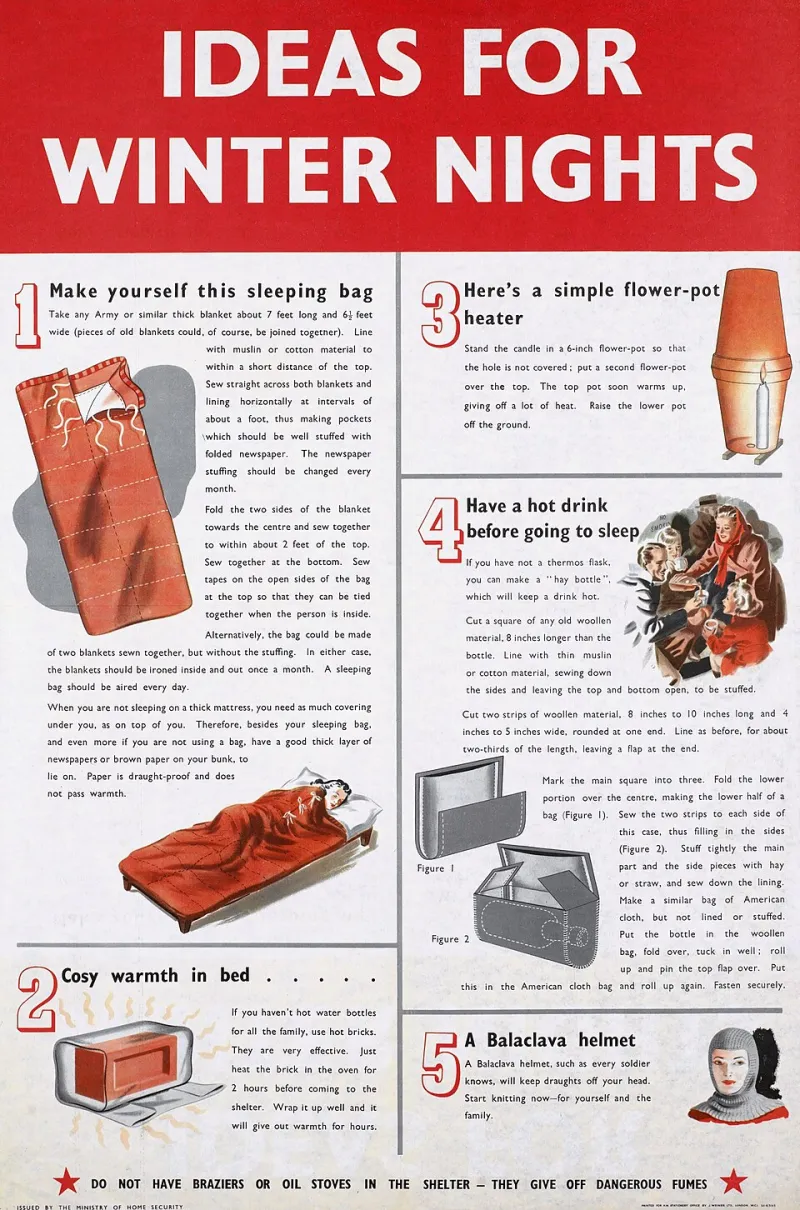
Photo: Unknown (artist), J Weiner Ltd, 71/5 New Oxford Street, London WC1 (printer), Her Majesty's Stationery Office (publisher/sponsor), Ministry of Home Security (publisher/sponsor), Public domain, via Wikimedia Commons
November 2026 has arrived with that familiar UK bedroom question: do you heat the whole house, or do you pile another jumper on the bed? For anyone sleeping on a discounted mattress or a keenly priced bed frame, the answer does not have to be either. A cold bed is usually a bedding problem before it is a mattress problem, and a few sensible layers can make a budget setup feel far more inviting than its price tag suggests.
At Discounted Beds UK we spend a lot of time helping value-conscious shoppers get comfortable for less. So here is a practical winter bedding plan that works with the bed you already own, not against it.
Stop blaming the mattress first
A cheap mattress can still sleep warm. What it cannot always do is compensate for a cold room, a damp duvet, a bare mattress protector or a bed pushed tight against a chilly external wall. Before you spend a penny, check the basics: is the bedding dry, is the base ventilated, are the slats intact, and is there any airflow around the bed?
If the mattress feels cold when you get in, that is often surface temperature rather than deep-down warmth. A washable mattress protector with a brushed or quilted surface can take the initial chill off. So can a simple throw placed between the fitted sheet and the mattress, provided it does not make the bed lumpy or trap moisture.
Tog ratings without the bedtime maths
Tog ratings measure how well a duvet traps heat. You do not need to memorise a textbook, but the numbers are useful. A 4.5 tog is for hot summer nights, 10.5 tog suits warmer months and heated bedrooms, 13.5 tog is the common all-season choice, and 15 tog is the winter workhorse.
For most UK bedrooms in winter 2026, a 13.5 tog duvet plus a throw is more flexible than jumping straight to a heavyweight duvet. If you sleep hot, share a bed with someone who sleeps cold, or occasionally whack the heating up, layering gives you room to adjust. A 15 tog duvet is fine if your bedroom is genuinely cold, but it can feel stifling in a well-heated flat.
Layer up, do not lump up
Warmth comes from trapped air, not from the thickest object in the cupboard. Start with a breathable cotton or brushed cotton sheet, add a duvet that suits the room, then use a throw or blanket as a final layer. Wool, fleece and quilted cotton throws all work well, but fleece is the budget-friendly option and brushes away the initial chill quickly.
A mattress topper is the other useful layer. It adds softness and a little insulation, though it will not fix a sagging mattress or a broken base. If you go for memory foam, check that it has a breathable cover and follow the manufacturer's advice. Some foam toppers feel cold at first and then warm up; others can trap heat. A fibre-filled topper is often the cheaper, more breathable choice for a spare room or a bed that is only used now and then.
Electric blanket safety, plainly put
An electric blanket can be a brilliant low-cost way to warm a bed without heating the whole room. It can also be a false economy if you buy a cheap unknown brand and ignore the instructions. Look for UKCA or CE marking, a UK plug, overheat protection and a timer. BEAB-approved blankets are worth seeking out. Check the label for whether it is suitable for all-night use or only for pre-heating.
Do not fold cables, trap the blanket under the mattress, or use it on a bed where the instructions say it is not suitable. If the blanket is old, damaged, has exposed wires or has been stored badly, replace it rather than risk it. Pre-heating the bed for 20 to 30 minutes and then switching off is often enough, especially with a duvet and throw on top.
Damp air is the quiet heat thief
A bed that feels cold and slightly clammy is often fighting damp air. UK winters make this worse when windows stay shut and laundry dries indoors. You do not need to sleep with a gale blowing through the room, but a short burst of ventilation each morning helps. Use extractor fans when cooking or showering, dry washing elsewhere where possible, and avoid cramming so much storage under the bed that air cannot move.
If condensation is a recurring issue, deal with it rather than adding another duvet. Damp bedding will never feel as warm as dry bedding, no matter how high the tog rating.
Three spend tiers for a cosier cheap bed
Around £20: Start with a fleece throw, a hot water bottle with a cover, bed socks and a draught excluder for the bedroom door. Wash and thoroughly dry the bedding, then air the room. These small moves cost little and make a real difference.
Around £50: Add a 13.5 tog duvet if yours is thin or worn, or a fibre-filled mattress topper for extra surface softness. A basic electric blanket for pre-heating can also fit this budget if you choose carefully and check the safety marks.
Around £100: Combine a decent duvet with a breathable topper and a safe electric blanket, or put the money towards a brushed cotton bedding set and a wool-blend throw. At this level, focus on layers you can mix and match rather than one expensive item that only suits one type of night.
A quick winter bed reset
Strip the bed, wash the bedding, flip or rotate the mattress if the maker allows it, and check the base for loose slats or sagging. Put the layers back in a sensible order, keep the electric blanket cable untangled, and give the room a brief airing. None of this replaces a good mattress, but it does help a discount bed earn its keep through the colder months.
Winter 2026 does not have to be a choice between shivering and overspending. Warm the bed, not the whole house, and a bargain base can still feel like a proper treat at bedtime.