Trial Periods, Tiny Asterisks: A 2026 Mattress Trial Audit for Budget Buyers

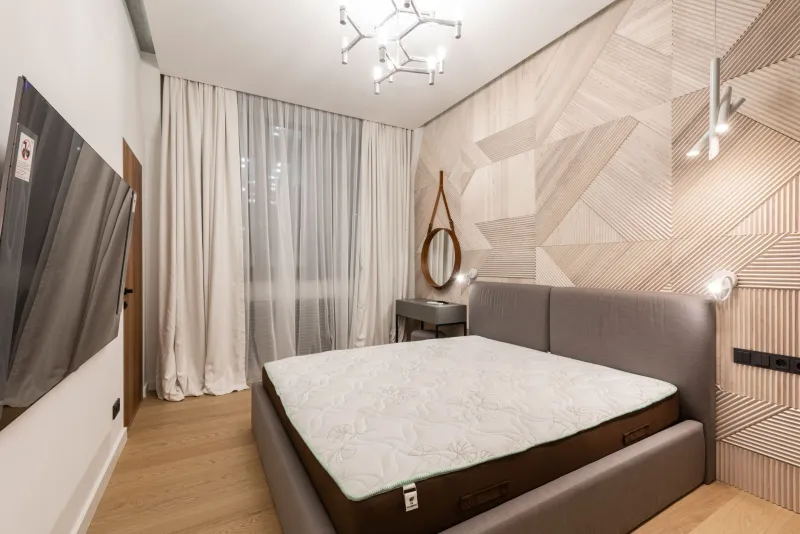
Photo: person reading mattress trial terms and conditions on laptop with tape measure and mattress protector, via get.pxhere.com
Mattress adverts love a big number: 100 nights, 200 nights, sleep on it risk-free. For a budget shopper, that sounds like a safety net. You can order online, test the thing in your own bedroom and send it back if it feels like sleeping on a cardboard box. What is not to like?
Plenty, potentially. A trial is a commercial promise, not a legal right, and the small print often decides who pays when the mattress goes back. At Discounted Beds UK, we are not against trials. We are against surprises. Here is how to audit the offer before you hand over your card details in 2026.
What a mattress trial actually is
A mattress trial is a contractual return window offered by the retailer. It sits on top of your normal consumer rights, not instead of them. The brand agrees to take the mattress back after you have slept on it for a set period, usually somewhere between 30 and 100 nights, provided you meet its conditions.
The word trial makes it sound universal. It is not. Some offers cover only full-price mattresses bought directly from the brand. Some exclude clearance lines, ex-display models, sale items or mattresses bought through a marketplace seller. Some allow one exchange rather than a refund. The first job is to confirm that the exact model you are eyeing is covered.
The fees hiding behind free returns
Free returns rarely means free for everyone. Common charges include a collection fee, typically £30 to £60, and a deduction for the original delivery cost. Some retailers ask you to donate the mattress to a nominated charity and send proof before they process a refund. Others require you to drop it at a depot, which is a hassle if you do not drive.
Add up the worst-case return cost before you buy. A £300 mattress with a £45 collection fee and a £25 delivery deduction has a £70 exit price. That is almost a quarter of the purchase price. If you are fairly sure you will keep the bed, the trial is cheap insurance. If you are ordering three mattresses to stage a bedroom bake-off, the fees stack up fast.
Hygiene rules and the unopened trap
Most trials require a mattress protector and a mattress that is clean, dry and free from stains, burns, pet hair and smoke smells. Some insist on original packaging for the return. A few require photos before approving collection. Read those rules properly, because a small coffee mark can turn a trial into a permanent purchase.
There is also a legal wrinkle worth knowing. Online orders normally come with a 14-day cooling-off period under the Consumer Contracts Regulations 2013, but sealed mattresses can fall within hygiene exemptions once unsealed. That makes the retailer's trial terms even more important. The trial may give you rights beyond the statutory minimum, but it can also come with conditions the law would not impose.
The minimum-nights clause
Many trials require you to sleep on the mattress for at least 30 nights before you can return it. That is not a trick; mattresses do need time to settle and your body needs time to adjust. But it does mean you cannot bail out on night three just because the bed feels firmer than the showroom model.
Plan around the clause. Keep the packaging if required, use a protector from day one, and note the date you can start a return. If you have a bad back or a medical reason for needing a different firmness quickly, ask whether the retailer offers any flexibility. Do not assume it will.
Clearance and discounted models: the trial black hole
This is the big one for bargain hunters. Mattress trials are often designed to protect full-price sales, not clearance stock. A discounted ex-display mattress, an end-of-line model or a marketplace deal may have no trial at all, or a much shorter one. The brand may also refuse returns on mattresses bought from a third-party seller.
Before you fall for a reduced price, check the exact product page and the trial terms for that specific SKU. If the trial is not explicitly stated, assume it does not apply. A £180 clearance mattress with no return option can still be a great buy, but only if you have tried the model in person or are confident about the firmness.
Questions to ask before you click buy
Ask whether the exact model is covered. Ask the total return cost, including collection and any delivery deduction. Ask whether the refund is cash, card or credit. Ask whether you need original packaging. Ask about the minimum nights and the final return deadline. Ask who handles collection and how long a refund takes. Ask what happens if the mattress is stained or the packaging is damaged. Ask whether an exchange counts as the same trial or a new one. Get the answers in writing, or screenshot the terms before the page changes.
When try-in-store is the safer bet
If you are buying a clearance bed, need a custom size or know you are fussy about firmness, a traditional shop can be the lower-risk route. Lie on the mattress for at least 15 minutes in your normal sleeping position. Take your partner if you share a bed. Ask about the store's exchange policy, because many traditional retailers offer exchanges rather than refunds.
A store bed without a trial is not automatically worse. If it feels right in the shop and the price is keen, you may save more than the cost of a return fee. The trial is only valuable if you are genuinely likely to use it.
The budget shopper's trial maths
Treat the return fee as part of the price. A £450 mattress with a £50 return fee costs £500 if you send it back. A £380 mattress with no trial but a comfortable showroom feel costs £380 if you keep it. Neither is automatically the better deal. The question is how confident you are before you order.
The bottom line
Mattress trials can be genuinely useful, especially for online-only brands where you cannot test the bed first. But risk-free is marketing language, not a guarantee. Read the terms, price the return, check the exclusions and keep the paperwork. The best bargain in 2026 is not the one with the longest trial; it is the one you keep.